Dry Storage in Riyadh: A 2026 Business Guide to Smart Warehousing
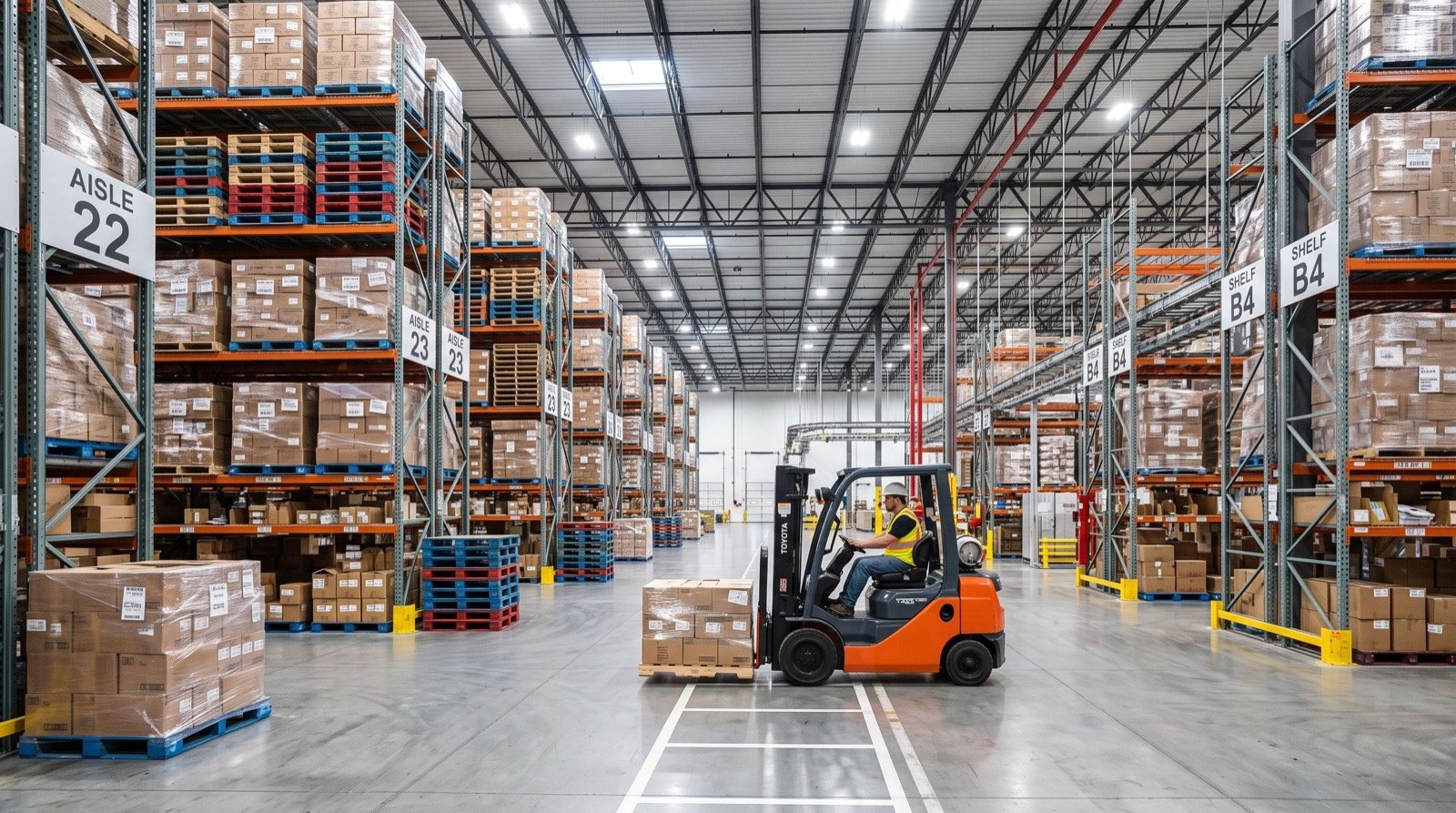
Dry storage in Riyadh has become a strategic decision rather than a simple logistics chore. As the capital’s retail, hospitality, and e-commerce sectors surge through 2026, businesses need space that keeps non-perishable goods clean, dry, and instantly retrievable. Done well, dry storage protects inventory value and frees up expensive shop-floor and office space. Done badly, it quietly drains profit through damage, pests, and lost stock.
This guide breaks down what qualifies as dry storage, which goods belong there, and how Riyadh businesses can choose and run a facility that actually pays for itself.
What Counts as Dry Storage, and What Does Not
Dry storage refers to ambient, climate-stable space for goods that do not require refrigeration. Think packaged foods, textiles, paper products, hardware, and household supplies. The priority is keeping moisture, dust, and pests out while maintaining a steady, moderate temperature.
It is the workhorse of most supply chains because the overwhelming majority of commercial goods are shelf-stable. The mistake many firms make is treating “dry” as “anything goes.” A proper dry store still controls humidity, ventilation, and cleanliness to industry standards.
Goods That Thrive in Ambient Conditions
- Canned, jarred, and vacuum-packed foods
- Grains, flour, sugar, and dry pantry staples
- Paper goods, packaging, and stationery
- Textiles, uniforms, and soft furnishings
- Detergents, soaps, and household chemicals
Chemical and cleaning products deserve special attention because of ventilation and separation rules. Dedicated Storage for Cleaning Supplies keeps corrosive or strong-smelling items away from food and fabrics, which is both a safety requirement and a quality safeguard.
Why Riyadh Businesses Are Rethinking Storage in 2026
Commercial rent in central Riyadh keeps climbing, so storing stock in prime retail space is increasingly wasteful. Offloading inventory to purpose-built dry storage converts that cost into productive selling or working area. The maths is simple and the payback is fast.
There is also a reliability dimension. Reputable providers of Dry Storage in Riyadh offer pest control, fire suppression, and inventory systems that most individual businesses cannot justify building alone. You rent the expertise along with the square metres.
The Humidity Factor People Underestimate
Riyadh’s desert climate is dry for much of the year, but rapid temperature shifts and occasional humidity spikes cause condensation inside sealed warehouses. That moisture is enough to warp cartons, grow mould on textiles, and clump powders. Good facilities buffer these swings with insulation and controlled ventilation, keeping relative humidity in a safe band.
How Do You Choose the Right Dry Storage Facility?
Not all warehouses are equal, and the cheapest rate rarely wins once you factor in losses. Evaluate providers against criteria that actually affect your stock, not just the headline price per pallet.
- Check cleanliness and pest control. Ask for the last inspection record and walk the aisles yourself.
- Confirm humidity and ventilation management. Sealed does not mean safe without airflow control.
- Review security. CCTV, access logs, and insured premises protect high-value inventory.
- Assess the inventory system. Barcode or RFID tracking prevents shrinkage and speeds retrieval.
- Test responsiveness. How fast can you get an urgent pallet out on a Friday afternoon?
Partnering with trusted professionals for handling and transport means your goods are protected not just in storage but during every move in and out of the facility.
Dry vs Cold Storage: Matching the Method to the Goods
Many businesses need both, and the trick is routing each product to the right environment. Over-refrigerating shelf-stable goods wastes energy, while leaving perishables in ambient space destroys them. The table below clarifies the split.
| Factor | Dry Storage | Cold / Chilled Storage |
|---|---|---|
| Typical temperature | 18–25°C ambient | 2–8°C |
| Energy cost | Low | High |
| Best for | Packaged, canned, dry goods | Fresh food, pharma, actives |
| Humidity control | Moderate, passive | Strict, active |
| Shelf life driver | Packaging & pests | Temperature stability |
For reference on handling food-grade goods safely, the Saudi Food and Drug Authority publishes storage and handling expectations that any serious dry-storage operation should meet.
Running Your Dry Storage Efficiently
Choosing a facility is only half the job; disciplined operation unlocks the real savings. The best-run dry stores feel almost boring because nothing ever goes wrong, and that predictability is the goal.
Adopt a clear stock-rotation rule, label everything with batch and date codes, and schedule regular cleaning sweeps. Keep aisles clear for safe forklift movement and audit inventory counts monthly against your system. A tidy warehouse is a profitable warehouse, because every lost hour searching for a pallet is a cost you never invoice.
One Practical Tip That Saves Thousands
Place slow-moving stock deep and fast-moving stock near the dock. This single layout habit, often called ABC slotting, can cut daily picking time dramatically and reduce the handling damage that comes from shuffling pallets around. It costs nothing but attention.
Scaling Your Storage as the Business Grows
The storage setup that suits a single shop rarely fits a regional operation. Growing businesses should revisit their warehousing every year, because yesterday’s comfortable buffer becomes tomorrow’s bottleneck surprisingly fast. Plan capacity ahead of demand, not behind it.
Flexible contracts matter here. Seasonal retailers, for example, need more space before Ramadan and the back-to-school rush, then less afterwards. A provider that lets you scale pallet space up and down avoids paying year-round for peak capacity you only use for a few months, keeping your storage cost tightly aligned with real demand.
Frequently Asked Questions
What temperature should dry storage in Riyadh maintain?
Aim for a stable 18–25°C with relative humidity under 60%. The exact target depends on the goods, but consistency matters more than a precise number; wild swings cause condensation, which is the real enemy of ambient stock.
Can I store cleaning chemicals with other goods?
Not in the same zone. Cleaning and chemical products should be ventilated and physically separated from food, textiles, and paper to prevent contamination, odour transfer, and safety hazards. Use a dedicated, well-aired area.
How much does dry storage cost in Riyadh?
Pricing usually runs per pallet or per square metre and varies with location, duration, and added services like inventory management. Outsourcing is almost always cheaper than storing stock in prime commercial space once you factor in rent and losses.
How long can goods stay in dry storage?
As long as their packaging and shelf life allow, which for many non-perishables is months or years. The limiting factors are pests, humidity damage, and expiry dates, so rotation and monitoring keep goods sellable right up to their stated life.
Final Thoughts
Smart dry storage in Riyadh is quietly one of the highest-return decisions a growing business can make in 2026. By matching goods to the right environment, separating chemicals properly, and choosing a facility that controls humidity, pests, and access, you protect inventory value and free capital for growth. Treat storage as strategy, not overhead, and your warehouse becomes a competitive advantage rather than a cost centre.