Solar Panels in Pakistan: 2026 Cost, Savings and ROI Guide
Rising grid tariffs and frequent load-shedding have pushed thousands of families to look seriously at solar panels in Pakistan this year. In 2026 the maths is friendlier than ever: equipment prices have softened, net metering is widely available, and payback periods for a well-sized home system now fall between three and five years. This guide walks you through real costs, realistic savings, and how to judge whether going solar is the right move for your household or business.
Rather than repeat vague marketing claims, we focus on the numbers that actually decide your return: system size, usable roof space, consumption patterns, and the quality of the installer you hire. Get those four right and solar becomes one of the best-performing investments a Pakistani homeowner can make.
Why solar panels in Pakistan make sense in 2026
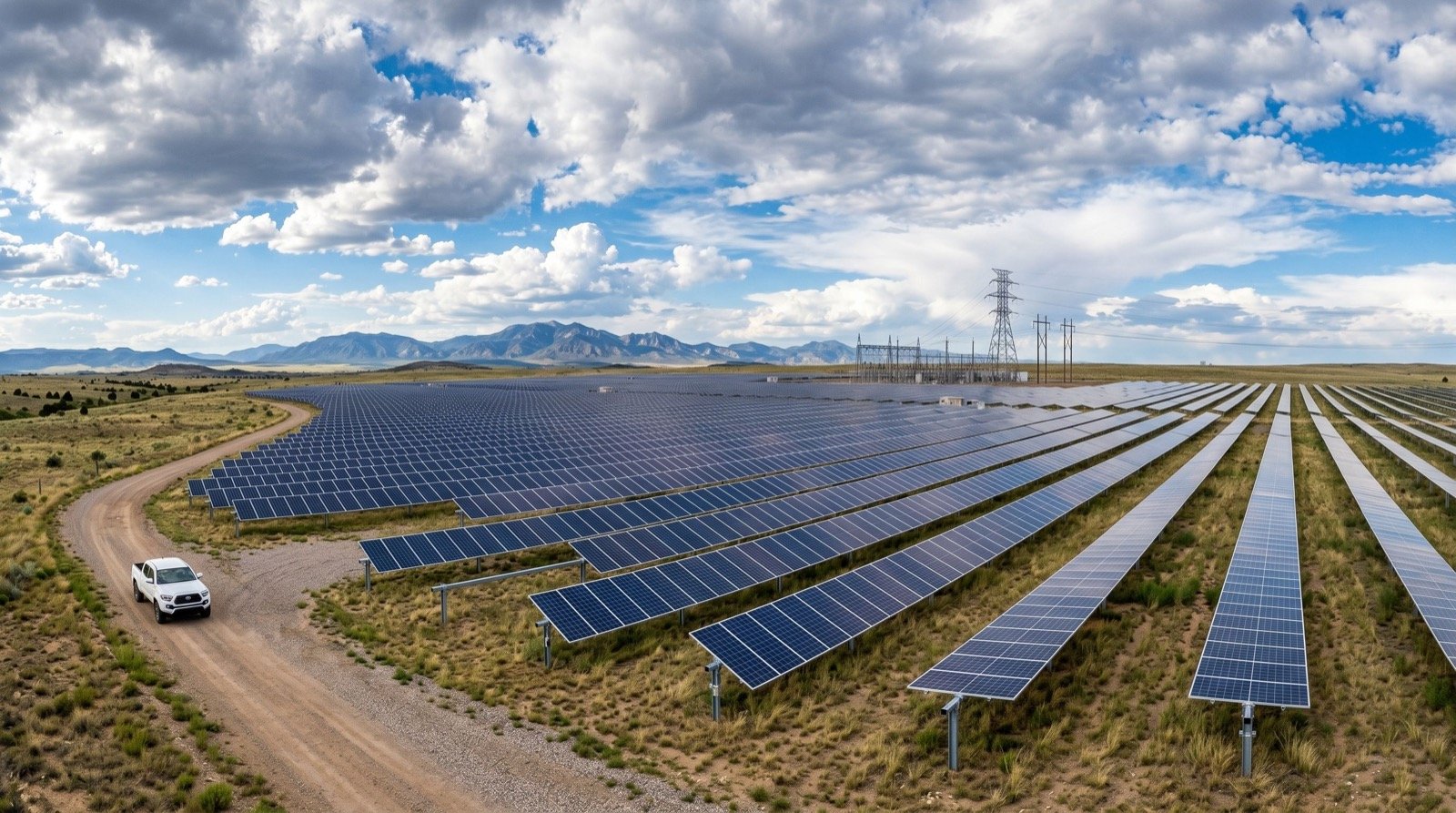
Pakistan receives roughly 5 to 7 kWh of solar irradiation per square metre each day across most of the country, which is among the highest in the region. That abundant sunshine means panels here generate more energy per installed watt than the same hardware would in cooler, cloudier markets.
At the same time, electricity from the national grid keeps climbing. Each tariff revision widens the gap between what you pay the distribution company and what a rooftop system costs to run. Solar lets you lock in a predictable energy cost for 25 years or more, insulating you from future hikes.
- Lower bills: a correctly sized array can offset 70 to 100 percent of daytime consumption.
- Backup during outages: hybrid systems with batteries keep essentials running through load-shedding.
- Property value: homes with documented solar installations and net metering sell faster.
- Clean energy: every 5 kW system avoids several tonnes of carbon emissions annually.
How much do solar panels cost in Pakistan?
Price depends mostly on system size and type. On-grid systems are cheapest because they skip batteries; hybrid systems cost more but add backup. The table below shows typical installed 2026 ranges for quality tier-1 panels and reputable inverters, including wiring, structure and labour.
| System size | Best for | On-grid price (PKR) | Hybrid price (PKR) | Daily output |
|---|---|---|---|---|
| 3 kW | Small home, 1–2 ACs | 450,000–650,000 | 750,000–950,000 | 12–15 units |
| 5 kW | Average family home | 750,000–1,050,000 | 1.2m–1.6m | 20–26 units |
| 10 kW | Large home / small shop | 1.4m–1.9m | 2.2m–2.8m | 40–52 units |
| 15 kW | Commercial / offices | 2.1m–2.8m | 3.3m–4.1m | 60–78 units |
What drives the price up or down
Two systems of the same kilowatt rating can differ by a lakh or more. The variables that matter most are panel brand and warranty, inverter quality, battery chemistry (lithium versus lead-acid), mounting structure, and the complexity of your roof. Cheaper quotes often cut corners on the inverter or use thin structures that fail in high wind.
Understanding net metering and your real savings
Net metering is the single feature that transforms solar from a backup gadget into a financial asset. Under a net-metering agreement your bidirectional meter credits you for surplus power exported to the grid during the day, which you draw back at night.
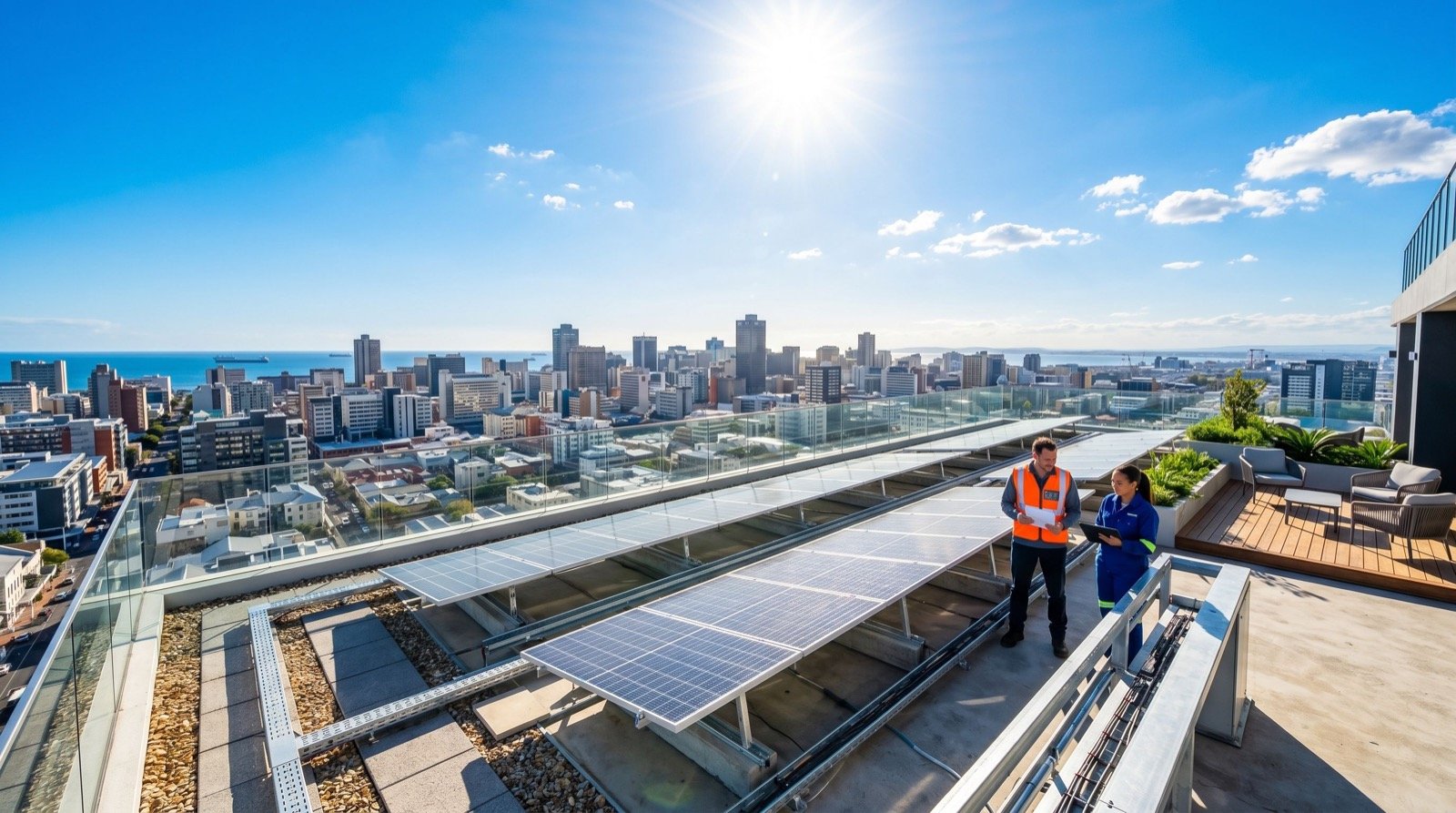
The policy is regulated by the National Electric Power Regulatory Authority (NEPRA), and most urban distribution companies now process applications routinely. A 5 kW net-metered home in a sunny city can cut its annual bill by hundreds of thousands of rupees, turning a once-painful summer bill into a near-zero statement.
- Your installer sizes the system to your 12-month consumption history.
- You apply for net metering through your distribution company with the required documents.
- A bidirectional meter is installed and your agreement is registered.
- Exported surplus is credited and adjusted against night-time imports each billing cycle.
Is solar worth it for your home?
For most grid-connected households that spend heavily on daytime cooling, yes. If your monthly bill regularly crosses the point where higher tariff slabs kick in, a solar array pays for itself quickly and then delivers years of near-free electricity.
Solar makes less sense only when your roof is heavily shaded, your consumption is tiny, or you plan to move within a year. Even then, a documented system usually raises resale value enough to justify the spend. Regional demand is strong everywhere from the north to central Punjab, with growing adoption of solar panels in Peshawar and busy installation activity across the industrial belt.
Choosing a trustworthy installer
The hardware matters, but the installer determines whether your system actually performs for 25 years. Poor wiring, undersized cables, and bad structure design cause most early failures, not the panels themselves.
Look for a company with physical offices, verifiable past projects, proper warranties, and after-sales support near you. Demand for professional solar installation in Gujranwala has grown so fast that many fly-by-night fitters have appeared, so vetting is essential. When you compare quotes, prioritise dependable specialists who document every component rather than whoever is simply cheapest.
Questions to ask before signing
- Which exact panel and inverter models are included, and what are their warranties?
- Will you handle the full net-metering application?
- What monitoring and maintenance support comes after commissioning?
- Can you share references from installations in my city?
Financing your system without draining savings
Paying cash delivers the shortest payback, but it is no longer the only route. In 2026 several banks and installers offer structured financing for rooftop solar, letting households spread the cost across two to five years while the monthly bill savings help cover the instalment.
The key is to compare the total financed cost against the cash price so you understand the markup you are accepting for convenience. A transparent installer will model both scenarios for you.
- Cash purchase: lowest lifetime cost, payback typically three to five years.
- Bank financing: preserves savings, but interest adds to the total outlay.
- Vendor instalments: convenient, though you should scrutinise any hidden fees.
Whichever path you choose, insist that the quality of panels, inverter and structure is never downgraded to fit a monthly payment. Cutting corners on hardware to lower an instalment is a false economy that costs far more over the system’s life.
Keeping your investment productive
Once installed, a little routine care protects your return. Rinse panels free of dust before peak summer, keep an eye on your monitoring app for sudden output drops, and schedule an annual inspection of connections and inverter settings. These simple habits keep generation high and catch small faults before they become costly repairs.
Frequently Asked Questions
How long do solar panels in Pakistan last?
Quality tier-1 panels carry performance warranties of 25 years and often keep producing beyond that at slightly reduced output. Inverters typically need replacement once in that span, and lithium batteries last around 8 to 12 years.
Do solar panels work during load-shedding?
On-grid systems shut off for safety when the grid is down. Hybrid or off-grid systems with batteries continue to power your home during outages, which is why many families in 2026 choose hybrid setups.
How much roof space do I need for a 5 kW system?
Plan for roughly 300 to 400 square feet of unshaded roof. Higher-efficiency panels reduce this slightly, which helps on compact urban rooftops.
Can I expand my system later?
Yes, if your inverter has spare capacity. Tell your installer during design if you expect to add panels or batteries, so they size the inverter and wiring to grow with you.
Conclusion
In 2026, installing solar panels in Pakistan is less a luxury and more a practical hedge against relentless tariff increases. With abundant sunshine, mature net-metering rules and competitive prices, a well-designed system pays for itself in a few years and keeps delivering for decades. Get a consumption-based quote from a reputable local installer, confirm the hardware and warranties in writing, and start locking in lower, more predictable energy bills today.