Winter Dog Waste Cleanup: Why a Metal Pooper Scooper Wins in 2026
Winter dog waste cleanup is one of the most overlooked parts of cold-season pet care, yet it causes the biggest mess once the snow melts. Frozen ground, ice patches, and piled-up snow make it tempting to skip the yard for weeks at a time. That habit backfires every single year, and 2026 is shaping up to be no different for dog owners who put off scooping until spring.
Cold weather does not pause a dog’s digestive system, and it certainly does not pause bacteria buildup in the yard. The only thing that changes is how hard the waste is to find and remove. That is exactly where the right tools, especially a sturdy metal scooper and heavy-duty bags, make a measurable difference.
Why Winter Dog Waste Cleanup Gets Harder in Cold Months
Snow cover hides waste almost instantly. A pile that would be obvious on green grass in July disappears under an inch of fresh powder, and owners simply walk past it. Over a few weeks, a yard can accumulate dozens of hidden piles without anyone noticing.
Frozen ground also changes the physical properties of the waste itself. Instead of breaking down naturally, it freezes solid and essentially goes into storage until temperatures rise. That means every pile from December through February is still sitting there, fully intact, when the spring thaw finally arrives.
Why Does a Metal Pooper Scooper Work Better in Snow and Ice?
This is the question most dog owners eventually ask after their plastic scooper cracks in the cold. Plastic becomes brittle at low temperatures, and repeated scraping against frozen or icy ground puts constant stress on thin plastic jaws and handles. It is common for a plastic scooper to snap in half during a single January cleanup session.
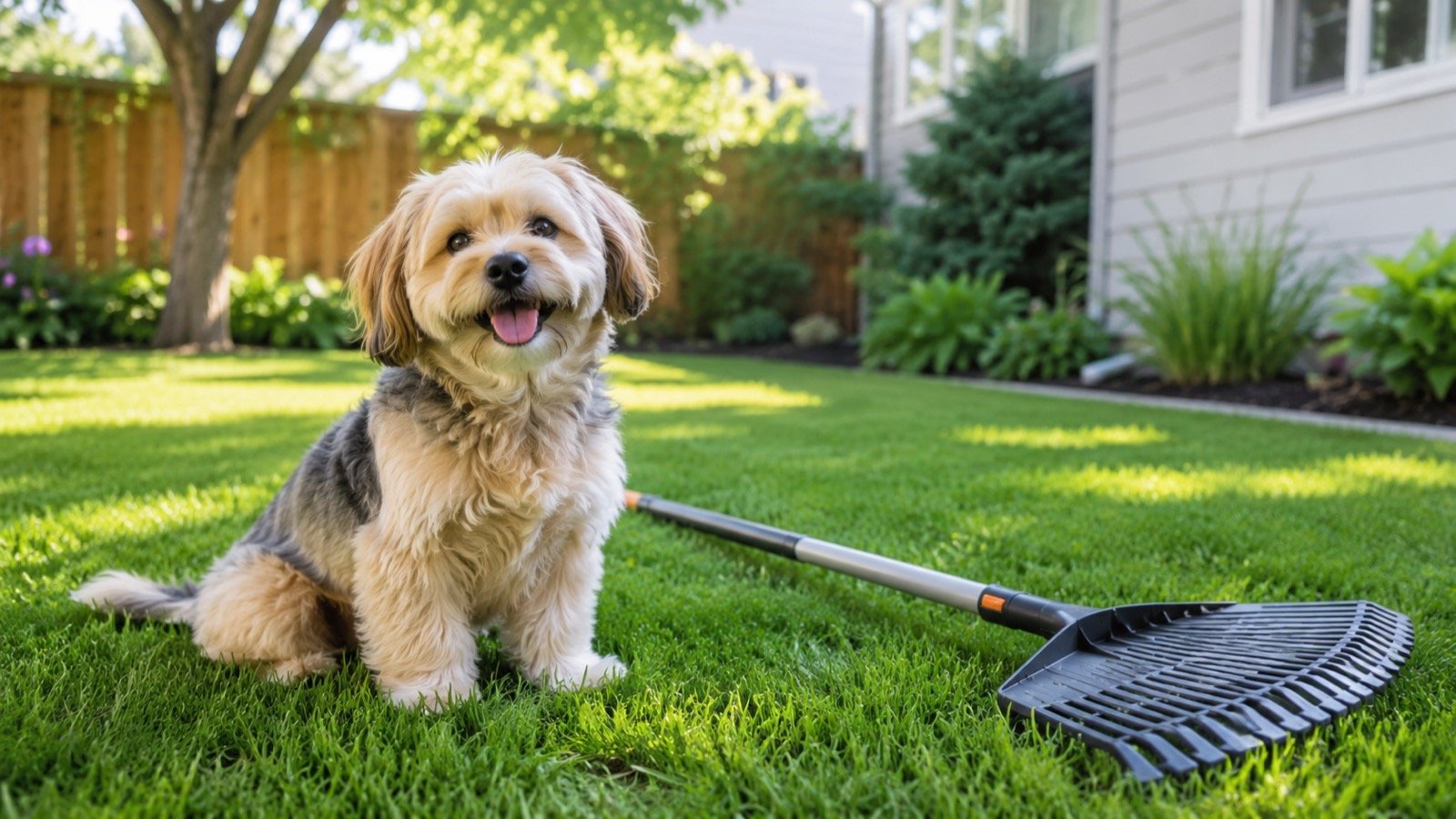
A Pooper Scooper metal tool handles that stress without flexing or cracking. Metal jaws can scrape along frozen soil, chip through a crust of ice, and pry up a stubborn frozen pile without bending out of shape. That durability matters most exactly when the weather is worst, which is when a broken tool is hardest to replace quickly.
Weight also plays a role. A metal scooper has enough heft to break through a thin ice layer with a firm push, while a lightweight plastic version tends to skate across the surface without gaining purchase. For anyone serious about winter dog waste cleanup, that extra leverage saves time and frustration on every single trip outside.
Choosing the Right Tools for Cold-Weather Cleanup
Not every scooper on the market is built for winter conditions. Before the next cold snap arrives, it helps to check a few practical features rather than assuming any tool will do.
- Rust-resistant metal jaws that will not corrode from repeated exposure to snow melt and road salt
- A long handle that lets you reach frozen piles without bending down onto icy ground
- A comfortable, textured grip that still works well with winter gloves on
- A hinge or joint rated for cold temperatures so it does not stiffen up or seize
- A narrow enough scoop profile to break through crusted snow cleanly
Investing in one well-built tool at the start of winter is almost always cheaper than replacing a cracked plastic scooper two or three times before March.
Heavy-Duty Bags Matter More in Winter
Standard thin bags struggle in cold weather. They stiffen up, tear more easily when handling frozen waste, and can even crack apart in freezing temperatures before you get them tied off. That is a messy, unpleasant surprise nobody wants during a quick walk around the block.
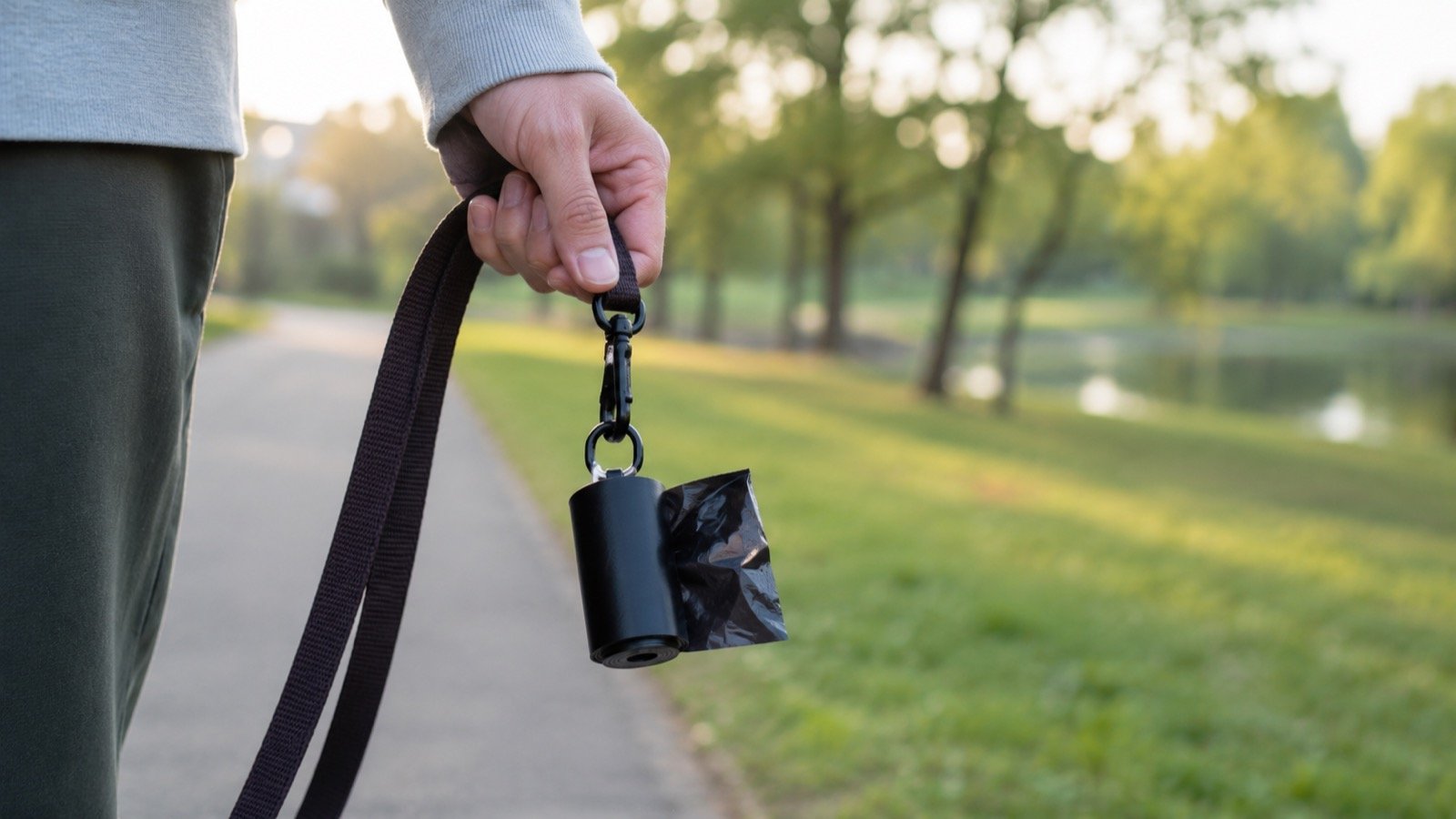
Switching to heavy Dog duty Bags solves most of these winter-specific problems. Thicker, more flexible material stays pliable even when temperatures drop well below freezing, and it holds up against the sharper edges that frozen waste tends to have. A torn bag in July is a mild annoyance; a torn bag in January, on ice, is a much bigger headache.
Metal Scooper vs. Plastic Scooper in Winter Conditions
| Feature | Metal Scooper | Plastic Scooper |
|---|---|---|
| Durability in freezing temps | Holds up without cracking | Becomes brittle, prone to snapping |
| Effectiveness on frozen waste | Cuts through ice and frozen piles | Slides across surface, poor grip |
| Rust or salt resistance | High, with coated finishes | Not applicable, but degrades from UV/cold cycling |
| Typical lifespan | Several winter seasons | Often one season or less |
| Weight and leverage | Heavier, more force behind each scoop | Lightweight, less effective on hard ground |
Spring Thaw Pile-Up: Why You Can’t Skip Winter Cleanup
Every dog owner who skips scooping in January eventually meets the same reality in March: a yard full of thawing waste that has been sitting there for months. This is sometimes called the “spring surprise,” and it is far worse than any single winter cleanup session would have been.
Staying consistent through the cold months prevents that buildup entirely. A simple routine makes it manageable even on the coldest days.
- Scoop at the same time each day, ideally right after your dog goes out, before snow has a chance to cover the area
- Mark problem zones near fences or shaded corners where snow accumulates fastest and waste hides longest
- Keep a metal scooper and a stocked supply of heavy-duty bags by the back door so cold weather never becomes an excuse
- Do a thorough sweep of the yard after every snowmelt, since melting snow often reveals piles you missed
- Break up and remove any frozen piles as soon as the ground softens enough to work with, rather than waiting for a full thaw
One practical tip that helps immensely: keep a small bucket of warm water near the door during especially icy stretches. Pouring a little over a stubborn frozen pile for a few seconds before scooping softens it just enough to lift cleanly, without needing to chip at solid ice.
Salt, Frozen Ground, and Yard Health
Ice-melt products and road salt tracked into the yard complicate winter dog waste cleanup even further. Waste left sitting under a layer of salted snow can contribute to soil and water contamination once everything melts together. According to the EPA’s pet waste management guidance, uncollected pet waste is a real source of bacteria and nutrient pollution that can reach local waterways during runoff, and cold weather does not eliminate that risk, it only delays it.
Removing waste promptly, even in winter, keeps that pollution out of the spring runoff cycle. It also protects grass and soil health, since frozen waste sitting on the same patch of lawn for months tends to kill grass in that spot once temperatures rise again.
When DIY Isn’t Enough: Calling in Help
Some properties, especially larger yards, multi-dog households, or rental units with shared outdoor space, get overwhelmed no matter how disciplined the cleanup routine is. In those cases, bringing in reputable service experts for periodic deep cleaning can restore a yard to a manageable baseline before regular winter maintenance takes back over.
Combining professional help with the right at-home tools, a durable metal scooper and heavy-duty bags, keeps the workload light enough that no single cleanup session in 2026 ever feels like an emergency.
Frequently Asked Questions
How often should I do winter dog waste cleanup?
Daily cleanup is still the best practice, even in winter. Waiting longer allows snow to cover piles, making them much harder to find and remove once the ground eventually thaws.
Can frozen dog waste be composted?
No. Pet waste should never go into a standard compost pile because it can carry pathogens that survive typical composting temperatures. Bag it and dispose of it with regular trash, or use a pet-waste-specific disposal system.
Why does my plastic scooper keep breaking in cold weather?
Plastic becomes more brittle as temperatures drop, and the repeated force needed to break through frozen or icy ground puts extra stress on it. A metal scooper is far more resistant to this kind of cold-weather failure.
What should I do about waste hidden under snow all winter?
Do a full yard sweep after every significant snowmelt. Waste that has been buried for weeks is often easier to spot once snow cover shrinks, even before the ground is fully clear.
Winter does not have to mean falling behind on yard hygiene. With a durable metal scooper, heavy-duty bags built for cold temperatures, and a consistent daily routine, staying on top of winter dog waste cleanup in 2026 is entirely manageable, no matter how much snow the season brings.